Room AI

Empty space, natural materials and quiet order.

Japanese

Japanese interiors are built around emptiness: low furniture, natural materials, a limited palette and space left deliberately clear. The feeling is stillness. It suits small rooms, where it makes the most of every square metre, and anyone who finds decoration tiring.

Free to try, no card needed.
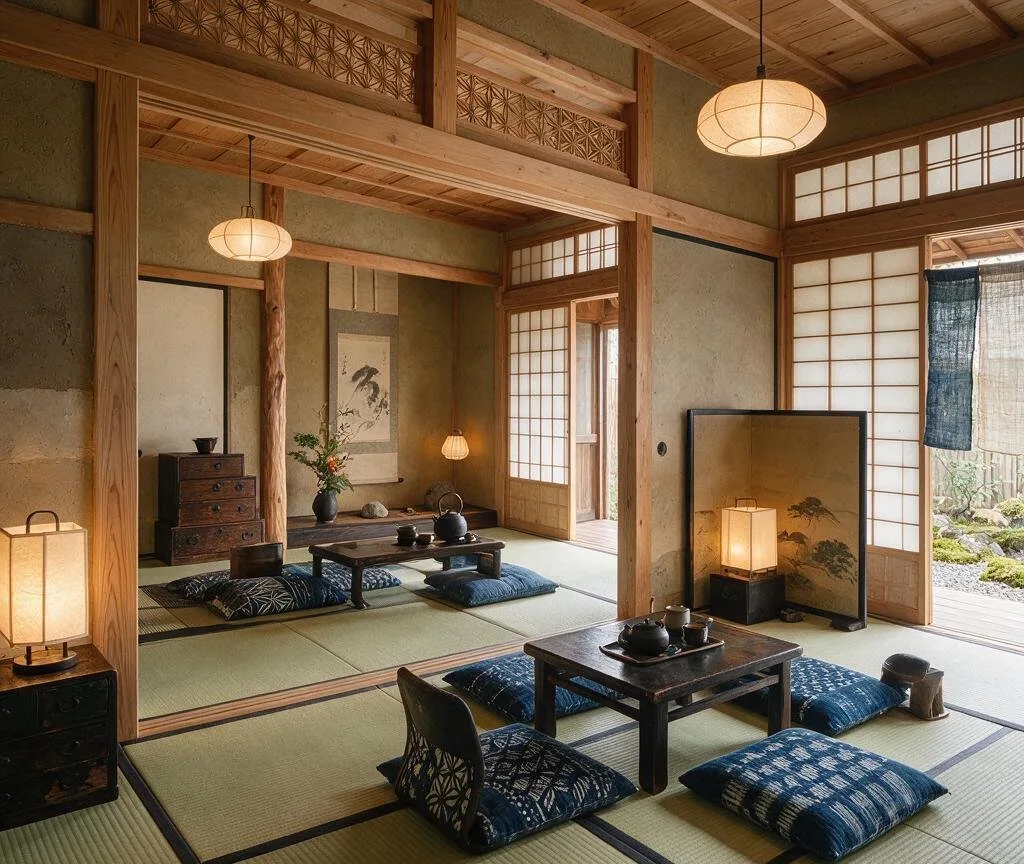
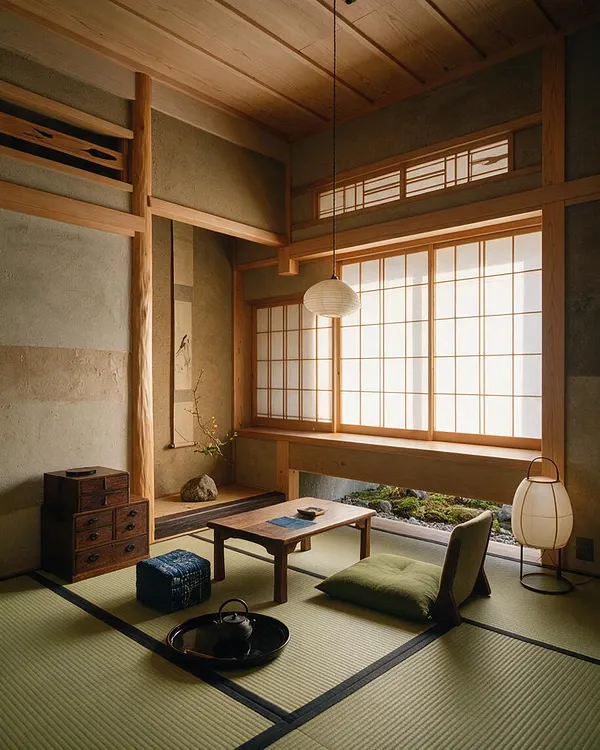
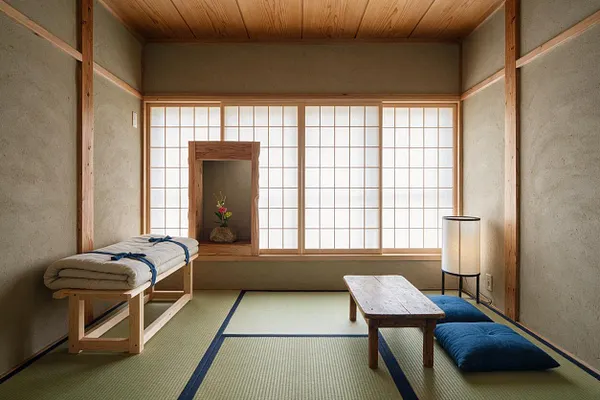
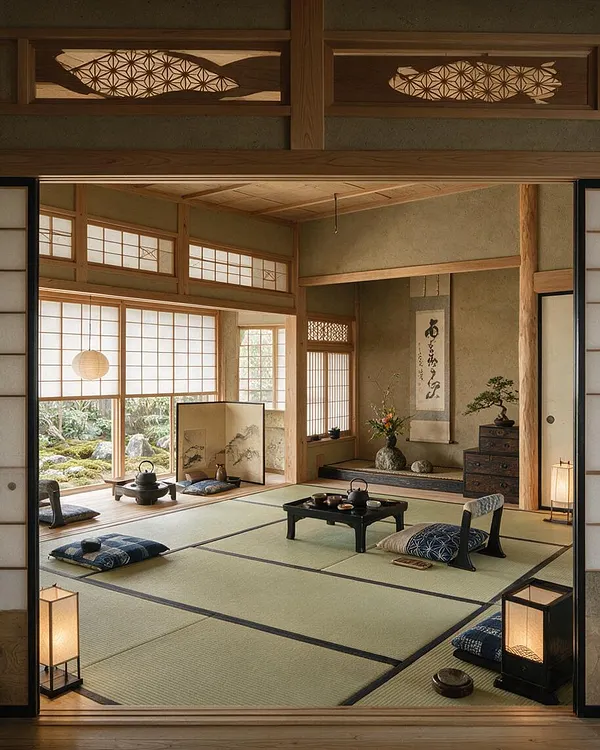
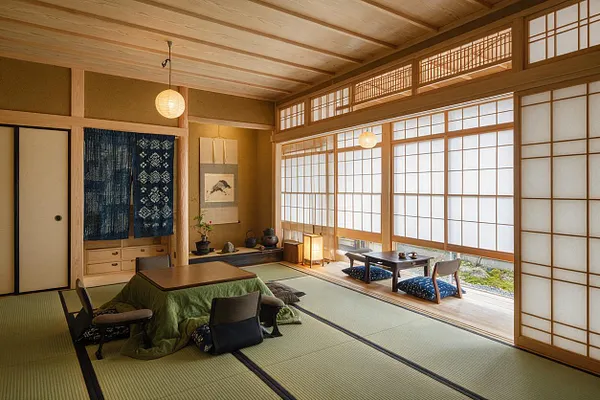
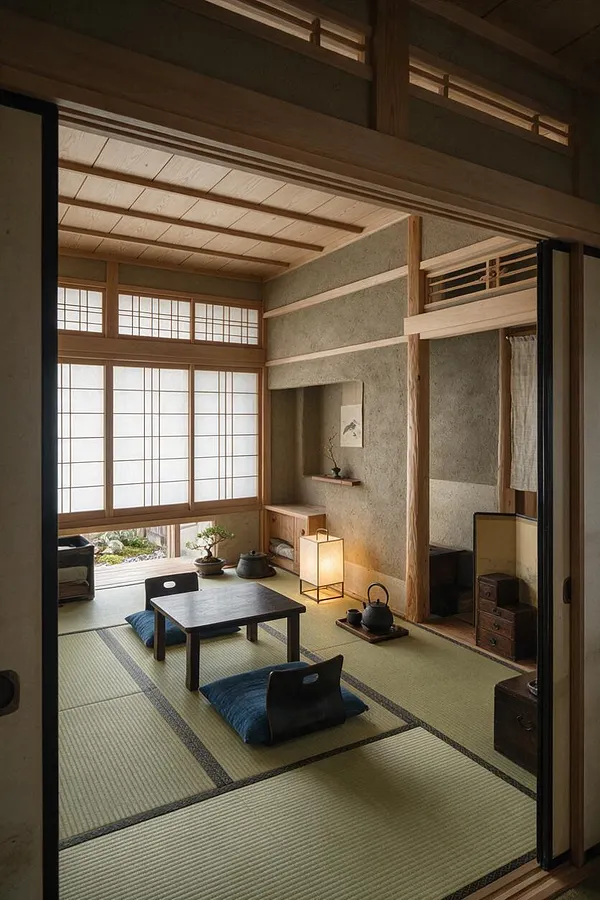
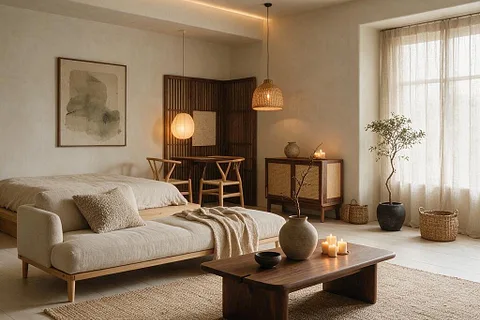
A living room in the Japanese style

What makes it Japanese

The five things to get right. Everything else is taste.

Japanese color palettes
  • Palette Natural wood, cream, paper white, soft green and black.
  • Materials Wood, paper, bamboo, tatami, stone, ceramics, linen.
  • Furniture Very low, a futon or platform bed, a low table, floor cushions, sliding screens.
  • Textiles Plain linen and cotton, an indigo accent, nothing fussy.
  • Lighting Paper lanterns, shoji-style screens that soften daylight, candlelight.

Ordinary rooms, in Japanese

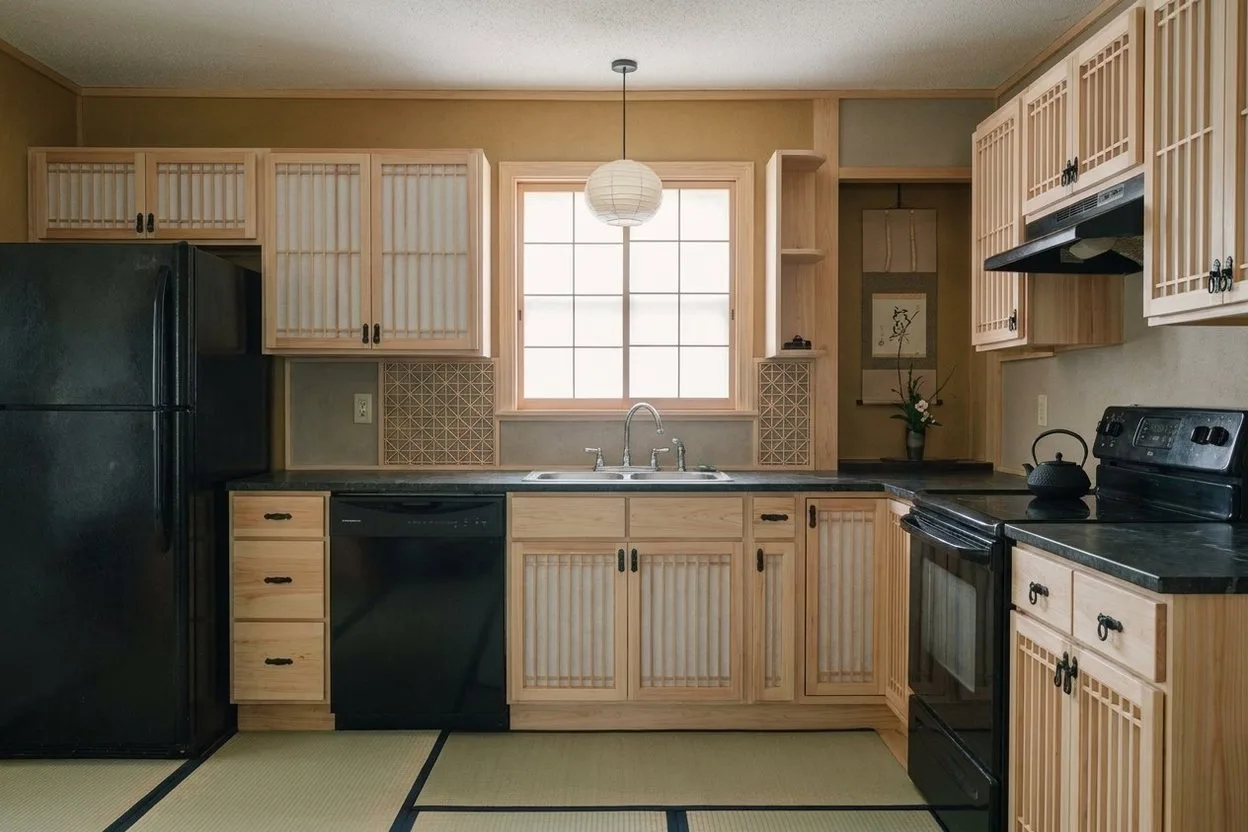
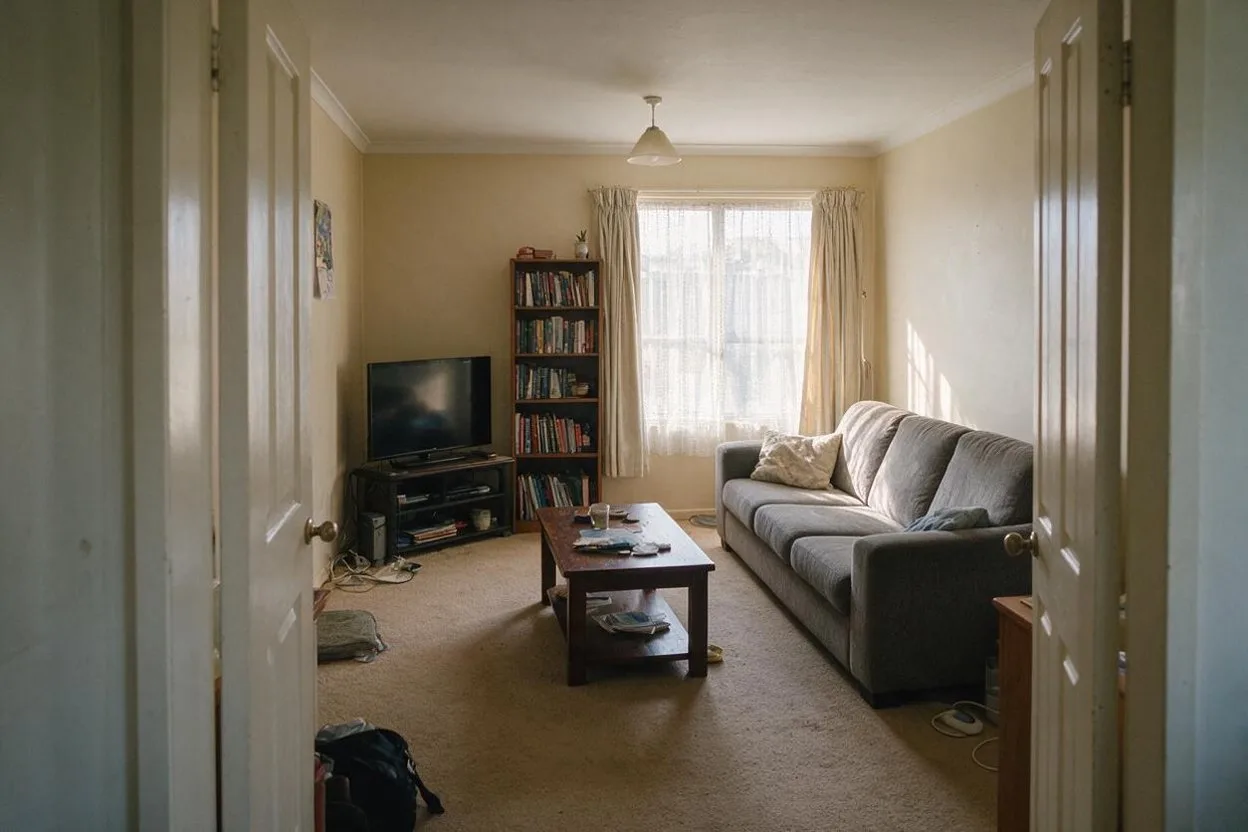
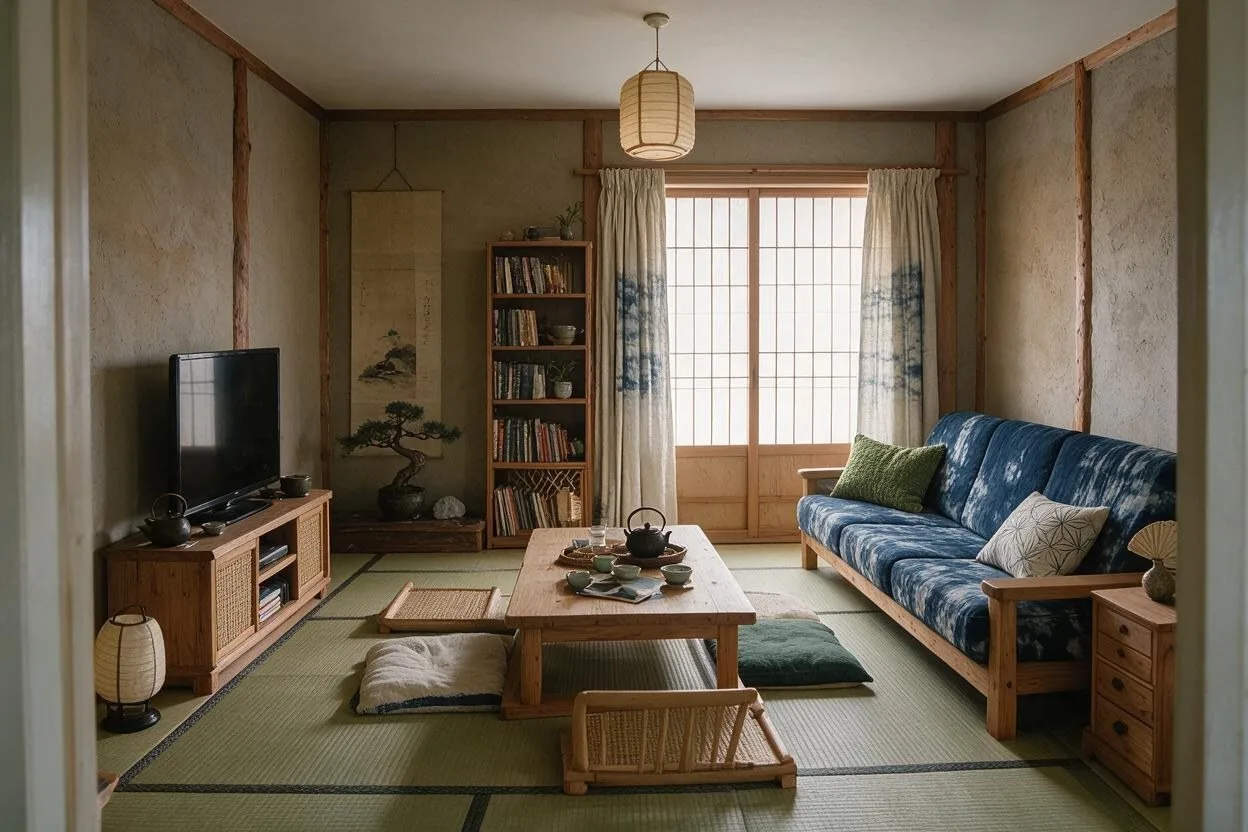
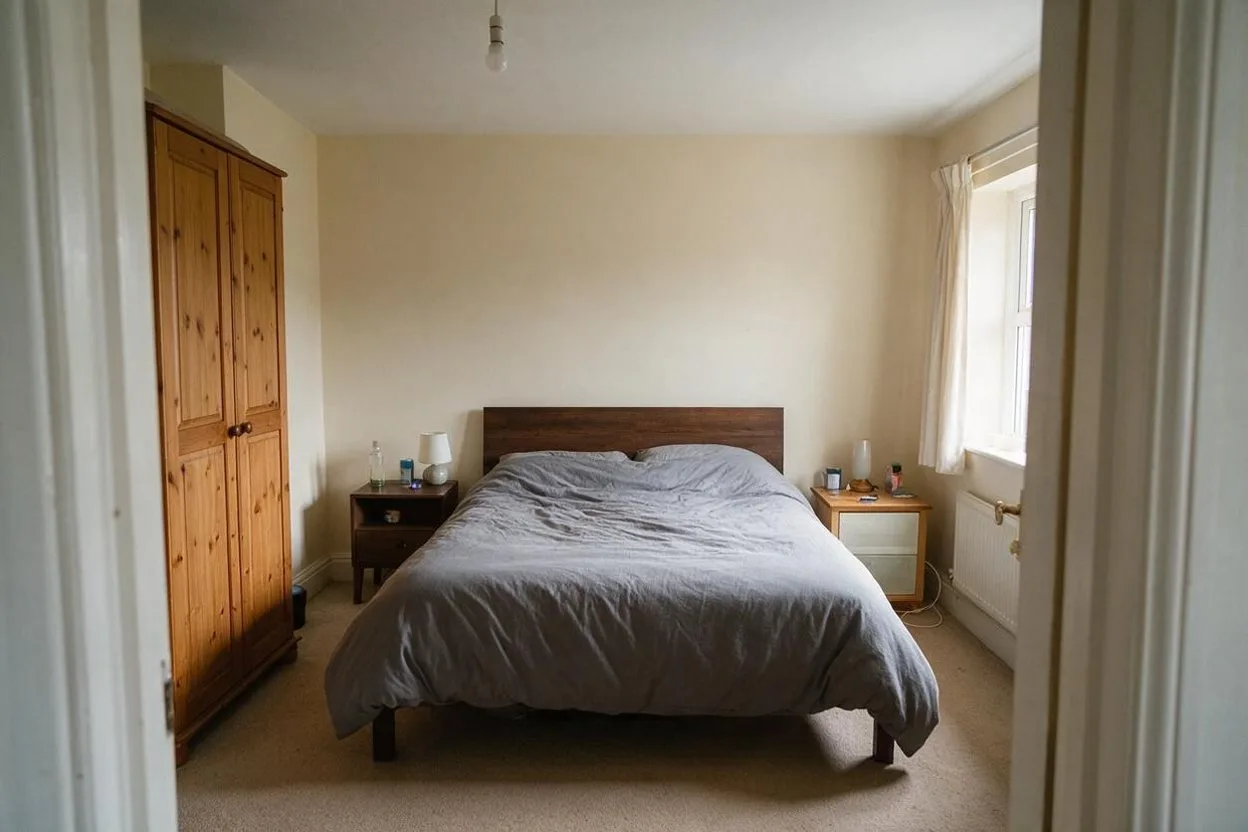
Drag the handle. Every after keeps the before's walls, windows, doors and camera, which is what Room AI does to your photo too.
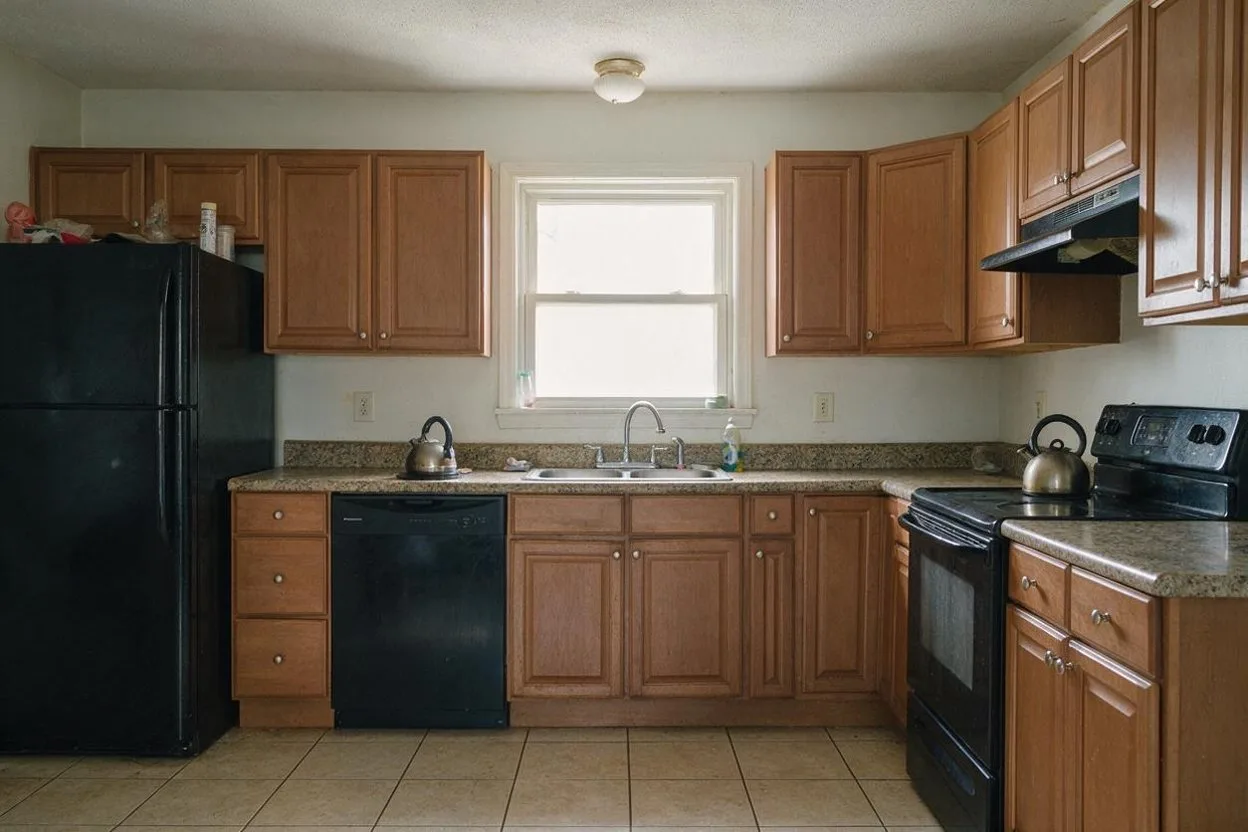
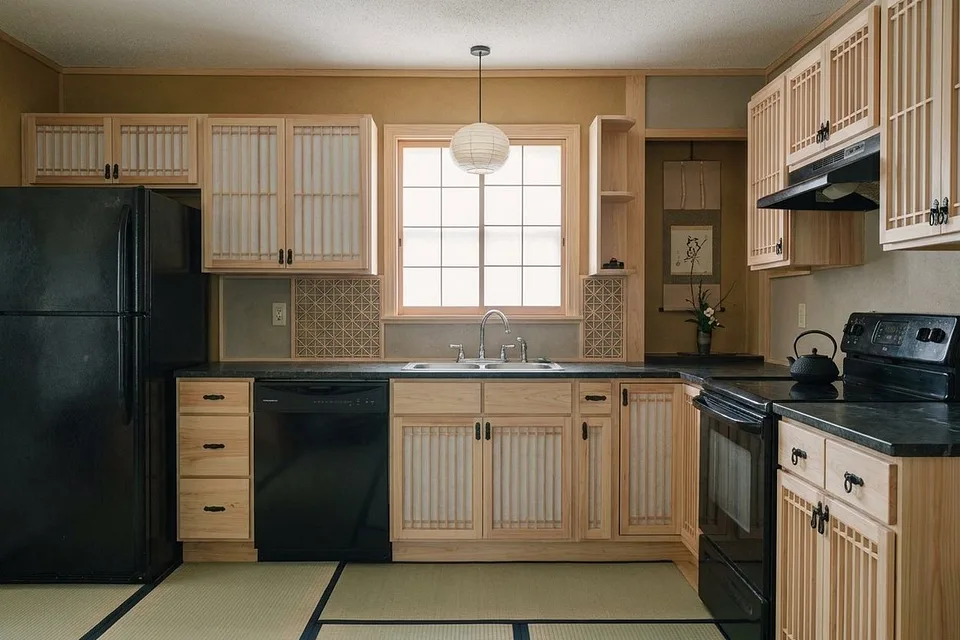
An ordinary family kitchen with honey-oak cabinets and a black fridge The same kitchen in the Japanese style Before After
Kitchen Try this on mine
An ordinary living room with a gray sofa, a TV on a stand and net curtains The same living room in the Japanese style Before After
Living room Try this on mine
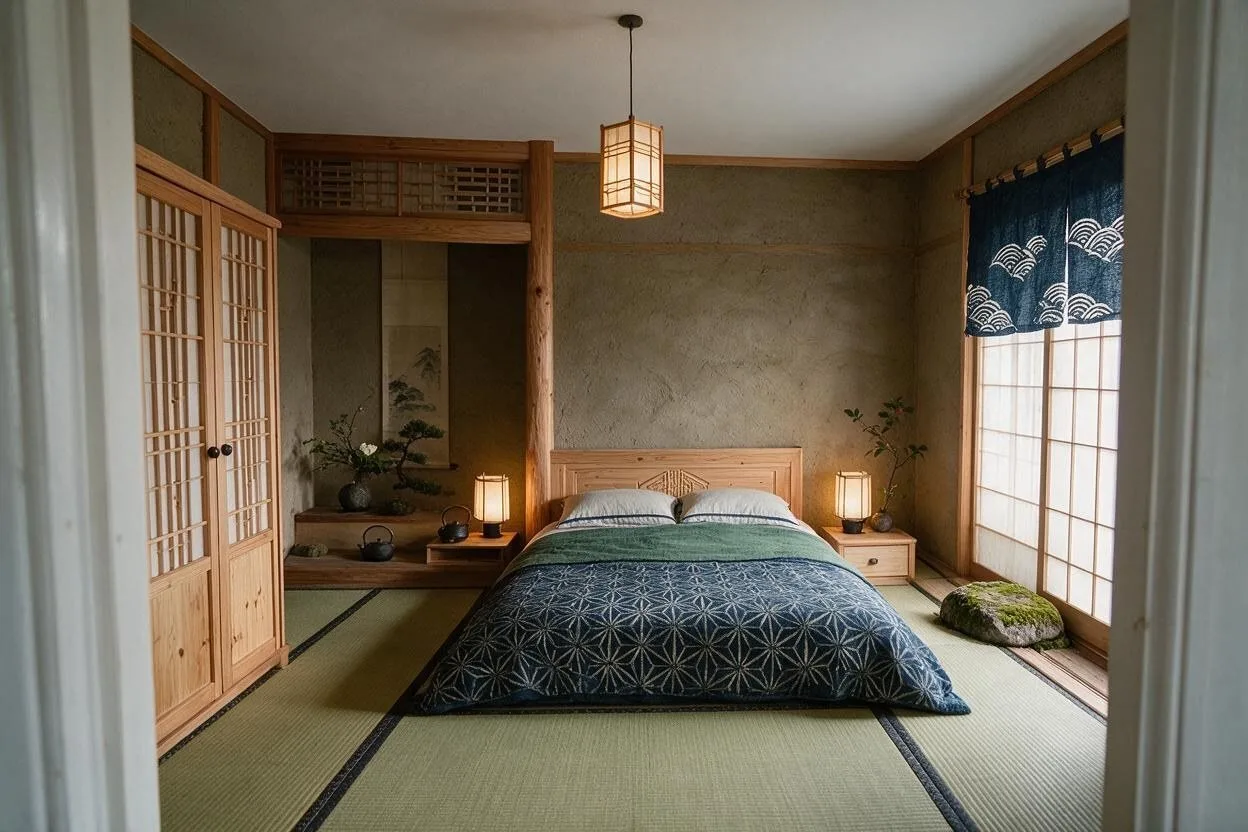
An ordinary bedroom with a pine wardrobe, a dark headboard and a gray duvet The same bedroom in the Japanese style Before After
Bedroom Try this on mine

Japanese ideas, room by room

Pictures to save and borrow from. Pick a room to see all of its Japanese ideas.
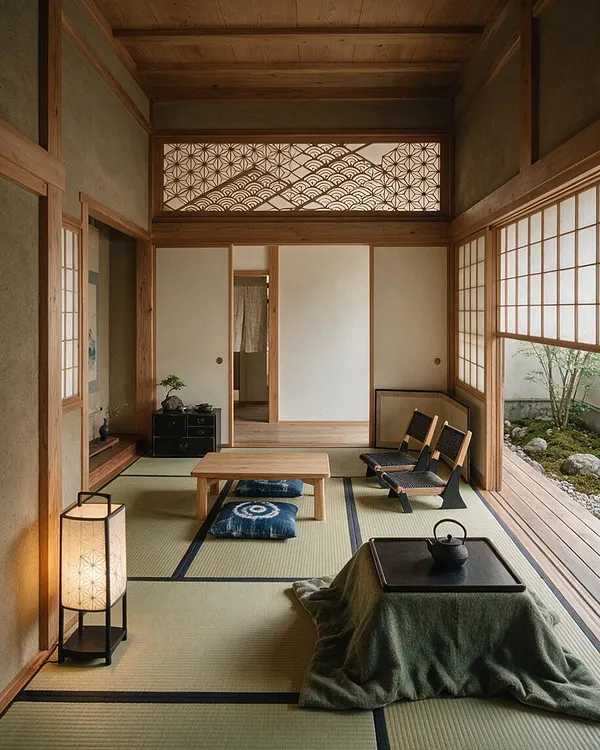
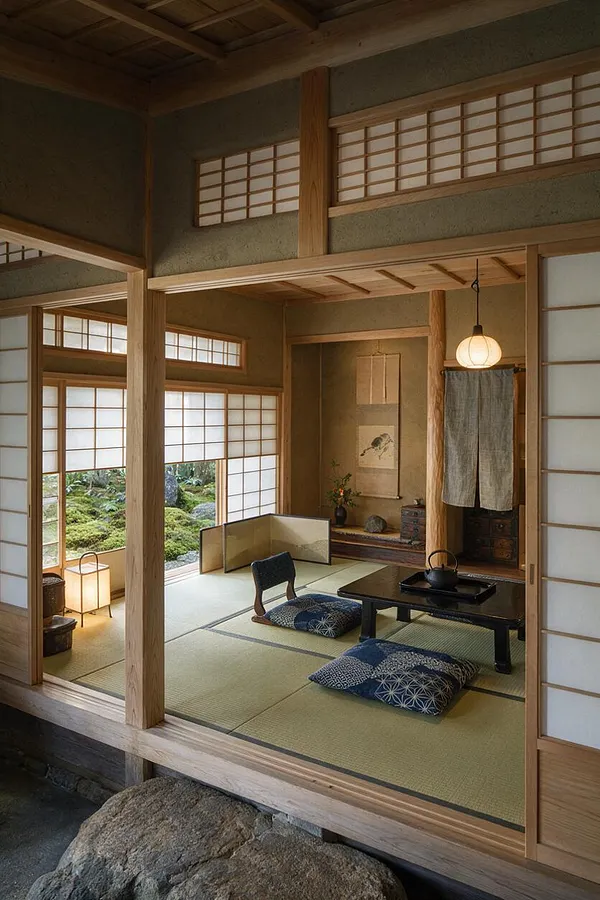
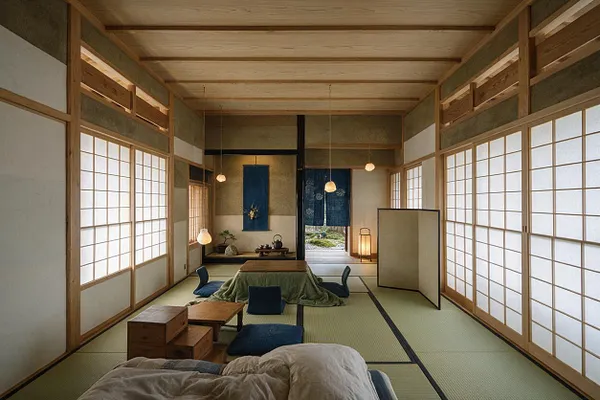
A serene Japanese Zen guest bedroom with tatami mat flooring, sliding shoji screens, and warm wood framing throughout. The room includes a low wooden table, floor cushions, a lantern-style light, and a tea set on a draped floor tray, with a small garden visible through the open side. Traditional Tatami Guest Bedroom with Shoji Screens
A serene Japanese Zen guest bedroom with tatami mat flooring, shoji paper screens, and exposed light wood beams. Low floor cushions and a small dark wooden table sit centered in the room, while a recessed alcove displays a bonsai, hanging artwork, and a lantern, creating a calm, traditional atmosphere. Tatami Guest Bedroom with Shoji and Alcove
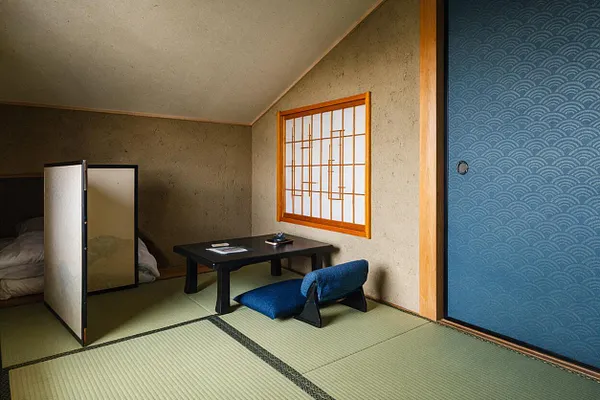
A serene Japanese-style guest bedroom with tatami mat flooring, low black tea table, blue floor cushions, and shoji paper screens framed in light wood. A hanging paper lantern, linen curtain, and alcove display with calligraphy and ceramics add to the calm, minimalist atmosphere. Traditional Tatami Guest Bedroom with Shoji Screens
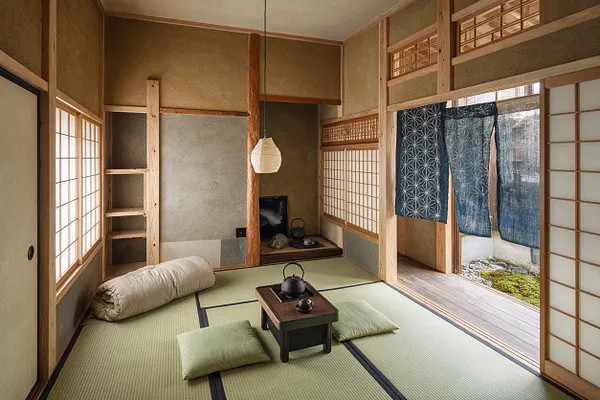
A serene Japanese Zen guest bedroom with tatami mat flooring, low floor cushions, and a small tea table centered in the room. Shoji screens, natural wood framing, and indigo noren curtains create a calm, traditional atmosphere with soft daylight filtering in from the side opening. Tatami Guest Bedroom with Shoji and Indigo Noren
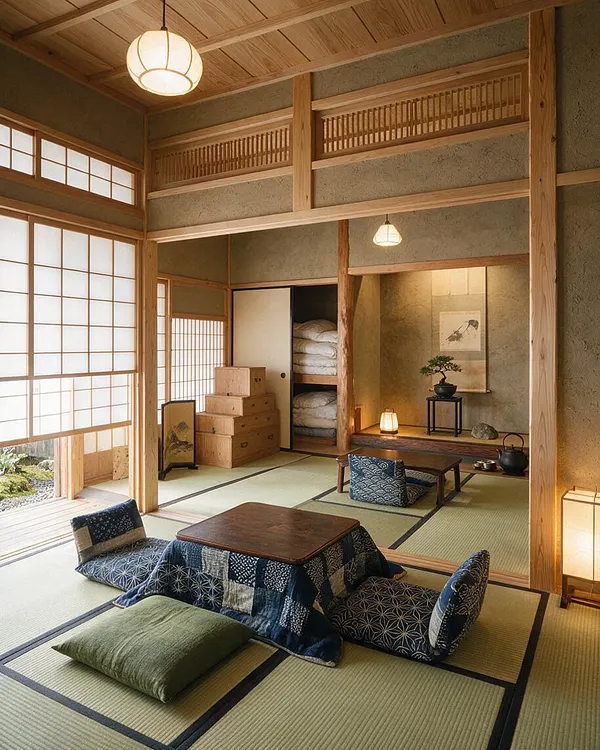
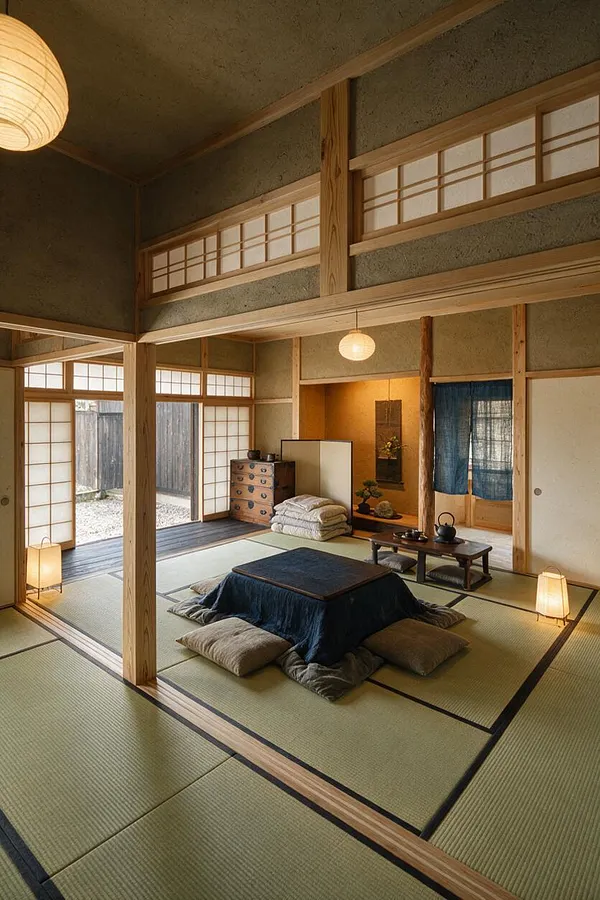
A serene Japanese-style guest bedroom with tatami mat flooring, low floor seating, and a central futon-style table draped in dark blue fabric. Light wood beams, shoji-style sliding panels, paper lantern lights, and a small alcove with a vase and bonsai create a calm, minimalist atmosphere. Traditional Japanese Tatami Guest Bedroom Retreat
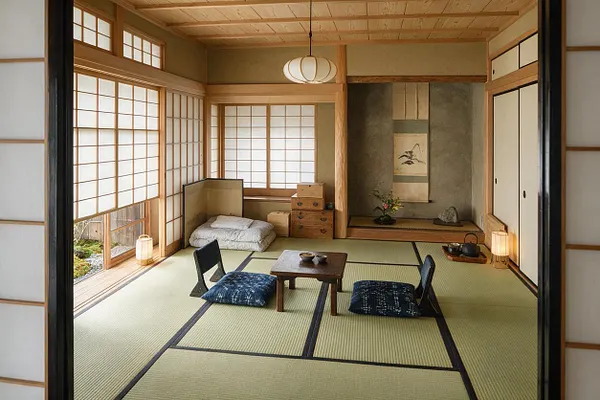
A traditional Japanese guest bedroom with tatami mat flooring, shoji screen windows, and light wood framing. The room features a low tea table with floor cushions, futons stacked in one corner, a tokonoma alcove with hanging scroll and ikebana, and soft lantern lighting. Serene Tatami Guest Room with Tokonoma Alcove
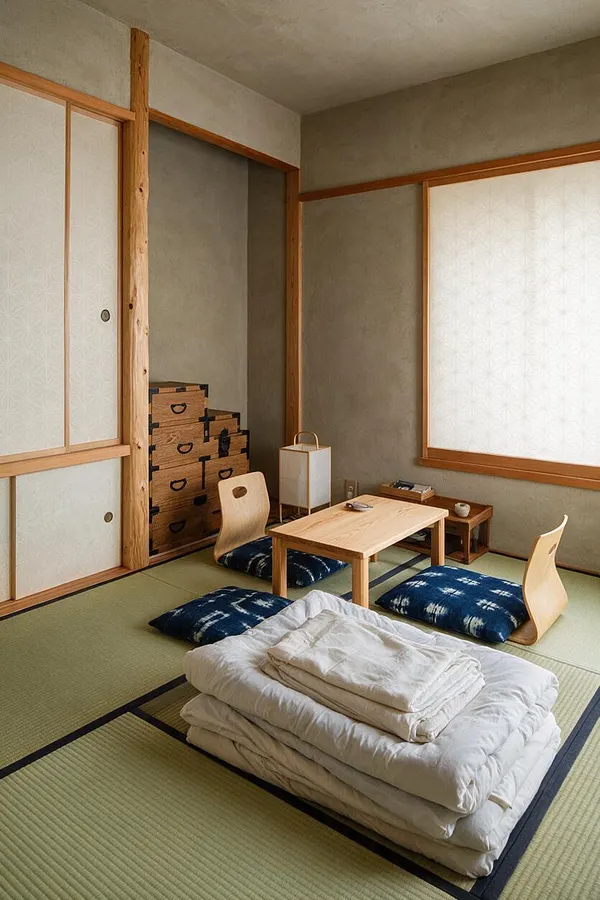
A Japanese Zen master bedroom with tatami mat flooring, a low wooden table, floor cushions, and folded bedding stacked neatly in the foreground. The room features sliding shoji-style doors, natural wood trim and posts, muted beige walls, and soft daylight filtering through large paper-like window panels. Tatami Master Bedroom with Low Zen Seating
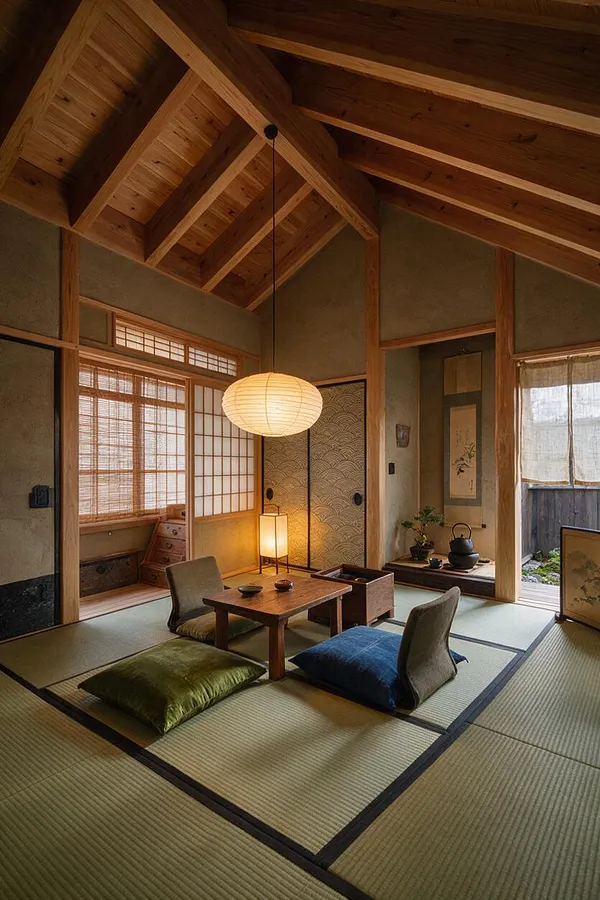
A serene Japanese Zen-style master bedroom with tatami mat flooring, exposed wooden ceiling beams, and sliding shoji screens. The room includes a low wooden tea table, floor cushions in muted green and blue, and soft lantern lighting that creates a calm, natural atmosphere. Tatami Master Bedroom with Warm Wood Beams
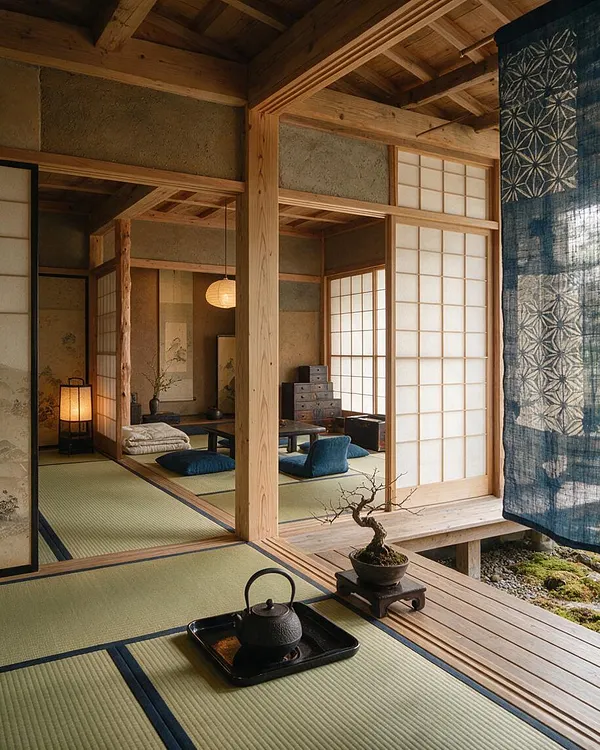
A serene Japanese Zen master bedroom with tatami mat flooring, shoji screen walls, exposed natural wood beams, and a low seating area with floor cushions. A black cast-iron teapot rests on a tray in the foreground, while a blue patterned textile panel hangs at the side, adding contrast to the warm wood and neutral tones. Tatami Master Bedroom with Shoji and Indigo
A Japanese Zen-style master bedroom with tatami mat flooring, low tea tables, floor cushions, and shoji screens framing a garden view. Warm wood beams, soft lantern lighting, and a tokonoma alcove with calligraphy and flowers create a calm, traditional atmosphere. Serene Tatami Master Bedroom with Shoji Screens
A Japanese Zen master bedroom with tatami mat flooring, a low table surrounded by floor cushions, and warm wood framing throughout. Shoji screens, paper lantern lighting, and a tokonoma-style alcove with a hanging textile and wall art create a calm, minimalist atmosphere. Serene Japanese Zen Tatami Master Bedroom
A serene Japanese Zen master bedroom with tatami mats, low black floor tables, blue floor cushions, and shoji screens filling the space with soft daylight. Natural wood beams, a glowing paper lantern, and a small alcove with minimalist decor create a calm, traditional atmosphere. Tatami Master Bedroom with Warm Shoji Glow

Try first

Cheapest first. Each is something you could do this weekend, or say to Room AI now.

  1. 1 Remove more than you add; clear every surface and see how the room looks before buying anything.
  2. 2 Lower the bed, or at least the bedding and the art, to change the room's center of gravity.
  3. 3 Swap curtains for a paper or linen blind that diffuses light.
  4. 4 Put one branch or one flower in one vase; that is the decoration.

What spoils it

The three things that turn Japanese into something else.

  • Clutter and collections.
  • Bright colors and bold patterns.
  • Heavy, high furniture with ornate detail.

Say it to Room AI

Each of these starts a design in the app with that as the first message. Change any word.

If you like Japanese

The styles next door, which share most of the ingredients and change one or two.
See your own room in Japanese.

A phone photo is enough. Free to try, no card needed.
A room in the Japanese style