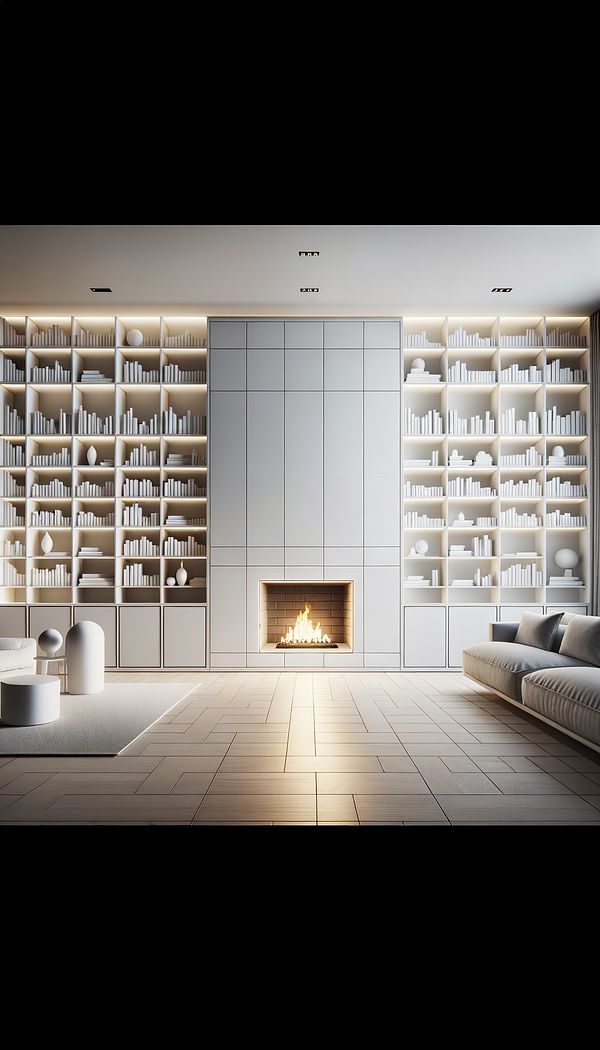
What is Built-in?
Built-in refers to any feature or piece of furniture that is permanently integrated into a room's structure as a Fixture.
Description
In the world of interior design, built-ins are a favored choice for blending functionality with aesthetic appeal. Typically, these features are custom-designed, often as Millwork, to fit a specific space or to fulfill a particular purpose within a room, making them an integral part of the room's architecture.
One of the most compelling benefits of built-ins is their ability to save space and eliminate clutter. Because they're designed to fit into or against walls, or sometimes even into recesses or an Alcove, they can offer storage and functionality without taking up additional floor space. This is particularly beneficial in smaller rooms or in living areas where Space Planning and maximizing space are critical. Moreover, built-ins can be tailored to suit any design style, from modern minimalist to rustic or traditional, making them versatile components of room design.
Furthermore, built-ins add to the property value. Since they are permanent fixtures, they're considered home improvements and can make a property more attractive to potential buyers. Their customized nature means that they often perfectly address the needs and aesthetics of a space, which ready-made furniture might not always achieve.
Usage
Common examples of built-ins include bookshelves, built-in Bookcase units, cabinets, benches, desks, and Entertainment Centers that are seamlessly integrated into the structure of a room. Kitchens and living rooms often feature built-ins, but they can be found in almost any room, including bedrooms, bathrooms, and hallways.
FAQs
-
Are built-ins considered permanent fixtures?
Yes, built-ins are considered permanent fixtures because they are designed to be a permanent part of a room's structure.
-
Can built-ins be customized to fit any design style?
Absolutely. Built-ins can be customized to match any design style, making them a flexible option for integrating storage and functionality into a room's decor.
-
Do built-ins add value to a property?
Yes, since they are seen as home improvements and offer custom solutions for storage and functionality, built-ins can increase a property's appeal to potential buyers and thereby add value.
Practical Application
When planning for built-ins, consider the current and future needs of the space to ensure they remain functional and aesthetically pleasing for years to come. Working with a professional designer or carpenter can help create the most efficient and attractive built-ins for your space. Consider also the balance of Open Shelving versus Closed Storage and the materials used to ensure the built-ins complement the existing decor of the room.
Try this in Room AI
Turn what you've learned into a real room design.
-
Accent ColorAn accent color is a color used sparingly to add vibrancy and interest to a room.
-
AccessoriesAccessories in interior design refer to items used to enhance the aesthetic appeal and functionality of a space.
-
BalanceBalance in interior design refers to the distribution of visual weight in a space.
-
CabinetsCabinets are storage units that are typically enclosed by doors, drawers, or shelves.
-
CarpetCarpet is a floor covering made from thick woven fabric.