Bedroom Design Ideas
Bedroom design is about creating a personal retreat that supports rest while still expressing a clear sense of style, whether that means a serene neutral room with linen bedding and pale oak furniture, a tailored traditional space with a carved headboard and layered drapery, or a jewel-toned maximalist bedroom filled with patterned textiles, sculptural lamps, and dramatic wall color. The most inspiring bedroom ideas balance comfort, proportion, and atmosphere: the bed should feel inviting, the lighting should shift from practical to soothing, and every surface from flooring to nightstands should contribute to the room’s texture and mood. Because bedrooms can take on so many design directions, they are especially useful places to experiment with style in a controlled way. A modern bedroom might rely on clean lines, plaster walls, and low-profile furniture, while a romantic canopy room may use rich satin, velvet, chinoiserie murals, brass lanterns, or antique mirrors; coastal, farmhouse, Scandinavian, bohemian, and eclectic bedrooms each bring their own mix of color, materials, and pattern, but the best designs all create a calm, functional, and beautifully layered place to begin and end the day.
- Statement bed or headboard
- Layered bedding and pillows
- Balanced bedside lighting
- Soft rugs underfoot
- Cohesive color palette
- Window treatments for privacy
- Texture through wood and textiles
- Personal art and accessories


Design your own bedroom
Inspired by these ideas? Upload a photo and create your own bedroom design with AI.
AI Bedroom DesignBedroom Photo Gallery
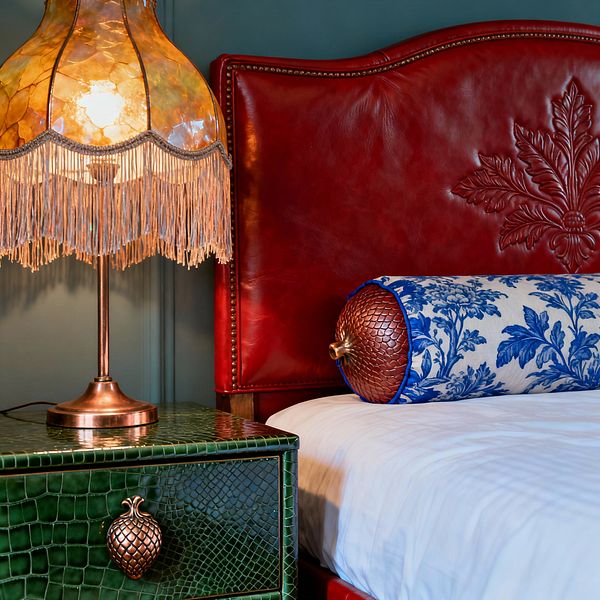
Maximalist Red Leather Bed with Croc Nightstand

Cobalt-Walled Maximalist Bedroom with Carved Platform Bed
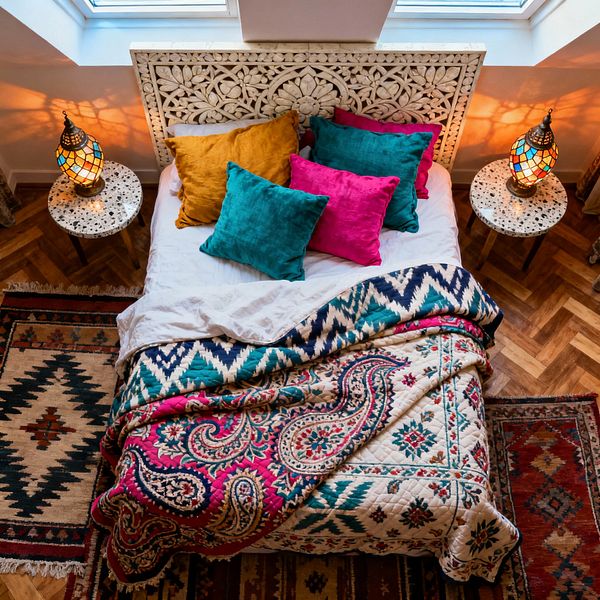
Maximalist Bedroom with Carved Headboard and Kilims
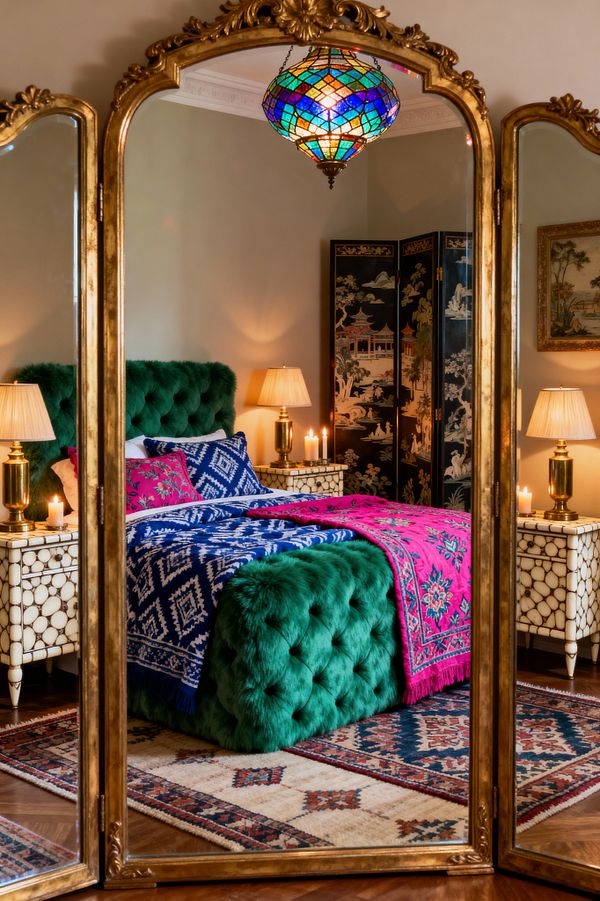
Maximalist Bedroom with Emerald Tufted Fur Bed
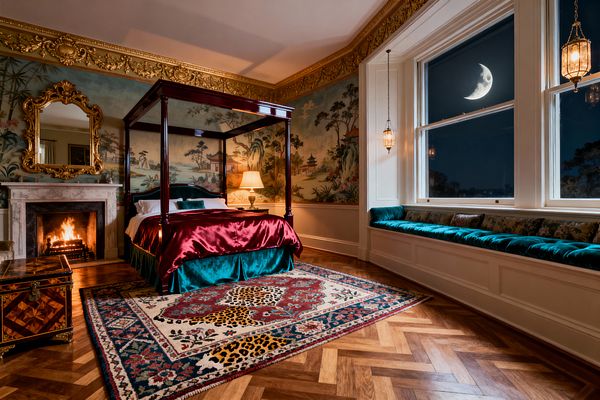
Chinoiserie Canopy Bedroom with Gilded Cornice

Teal Constellation Bedroom with Terrazzo Platform
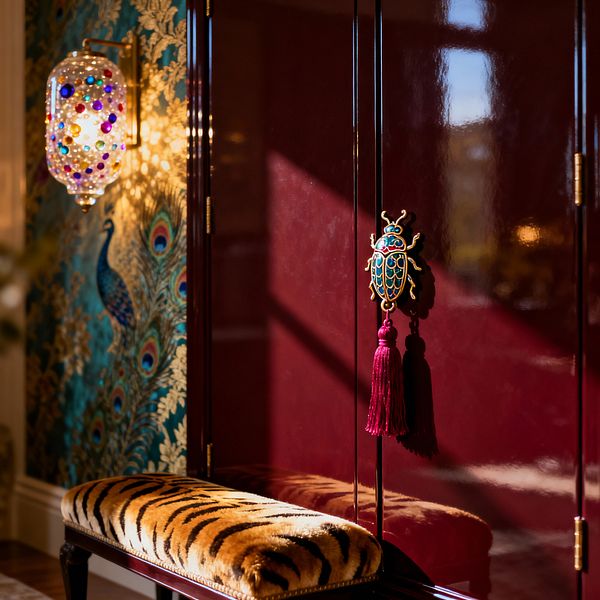
Burgundy Lacquer Armoire and Peacock Wallpaper Bedroom
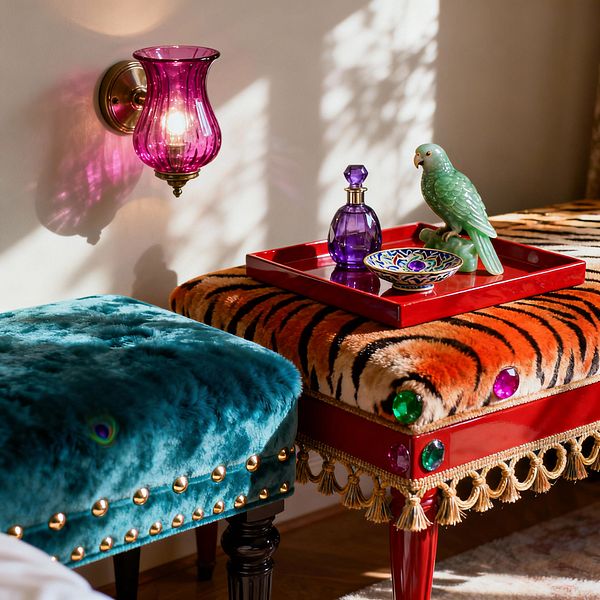
Jewel-Toned Bedside Vignette with Tiger Stripe
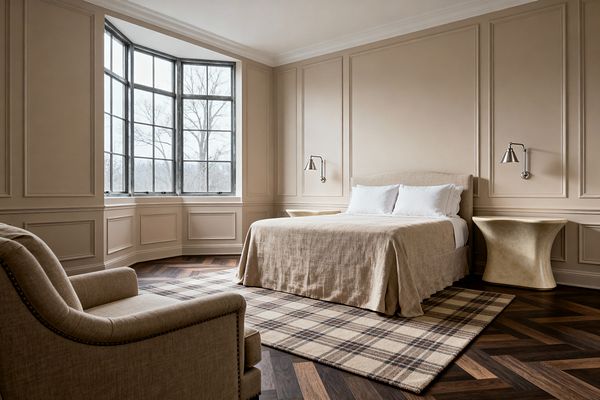
Transitional Bedroom with Bay Window and Paneling
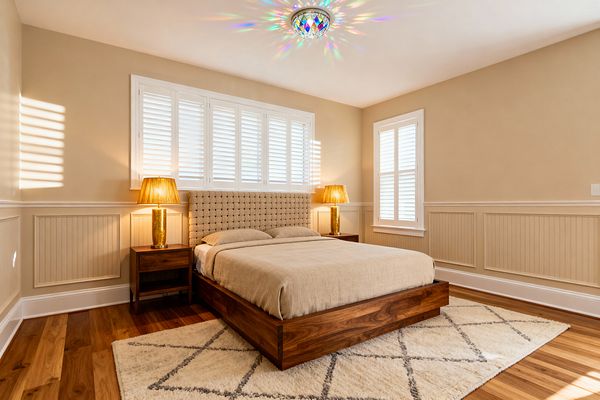
Transitional Bedroom with Woven Headboard and Walnut Bed
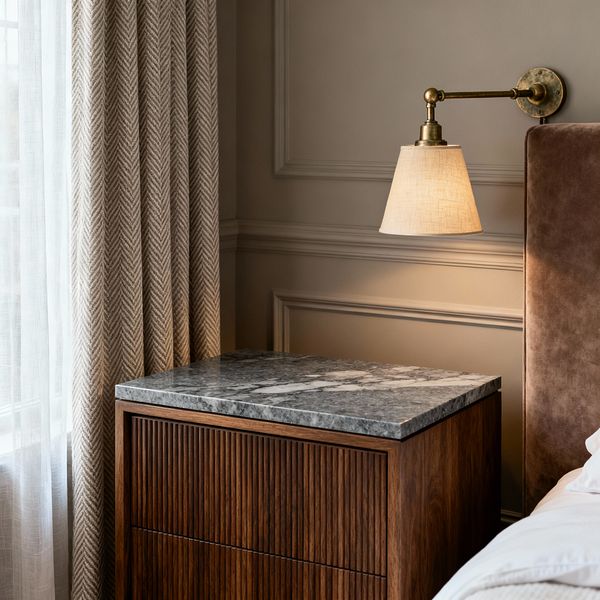
Transitional Bedroom with Walnut and Marble Nightstand
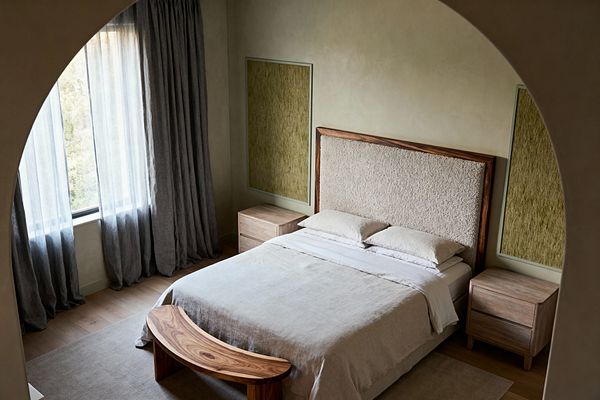
Transitional Bedroom with Bouclé Headboard and Walnut Bench
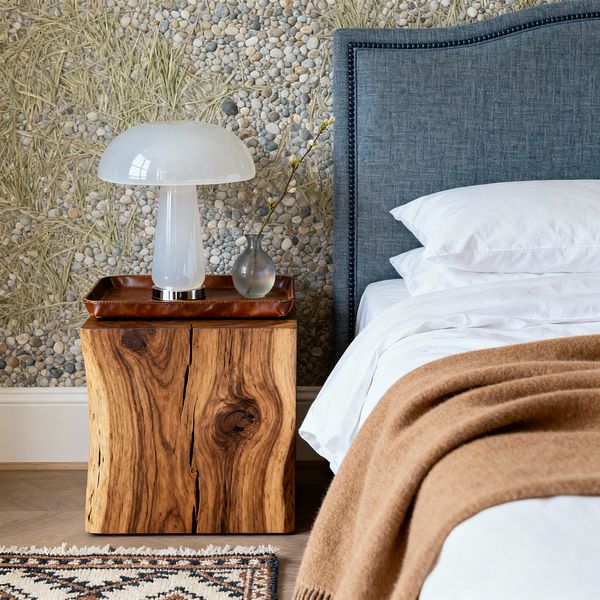
Slate-Blue Headboard with Live-Edge Nightstand
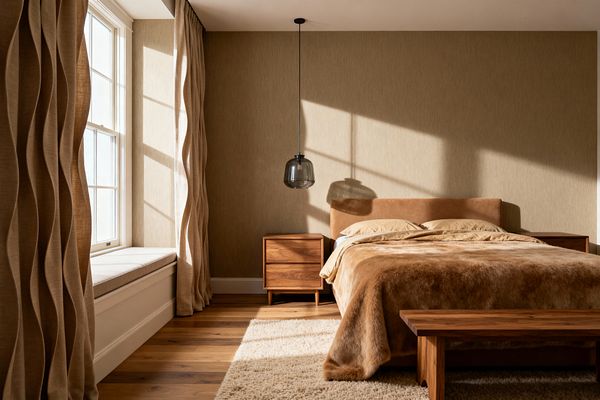
Transitional Bedroom in Camel Tones and Walnut
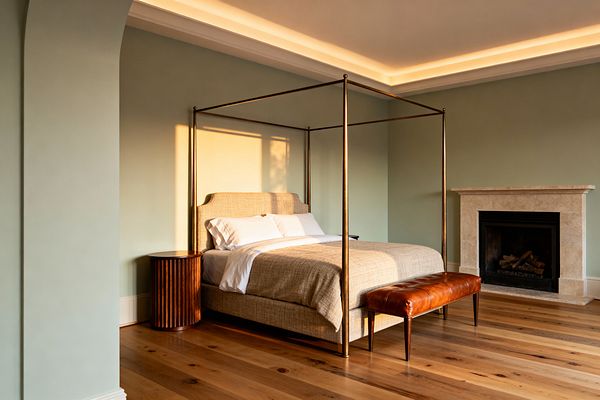
Sage Bedroom with Brass Canopy and Leather Bench
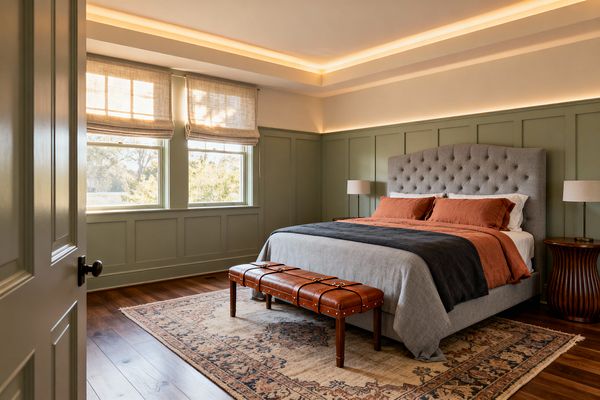
Sage Paneling with Tufted Bed and Leather Bench
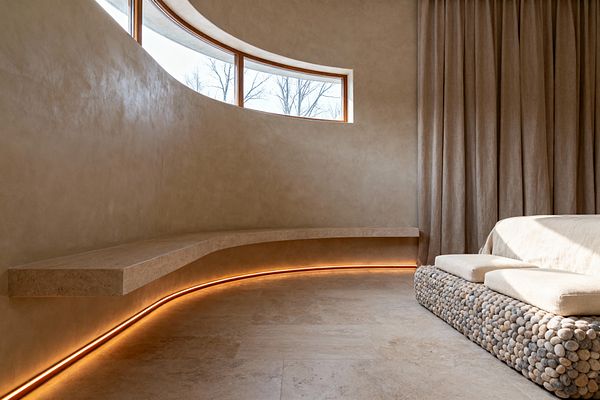
Curved Minimalist Bedroom with Pebble Platform
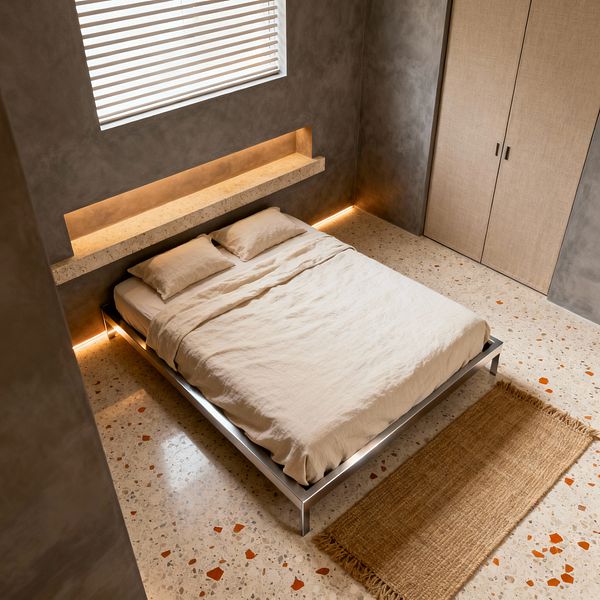
Minimalist Bedroom with Terrazzo and Warm LED Lighting
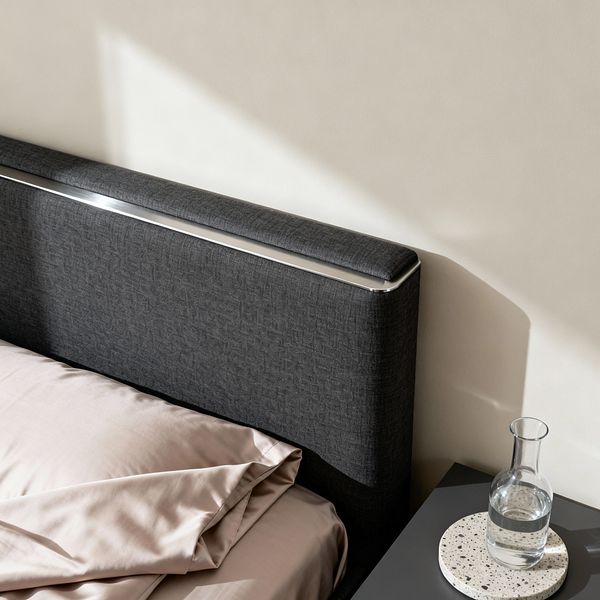
Minimalist Bedroom with Charcoal Upholstered Headboard
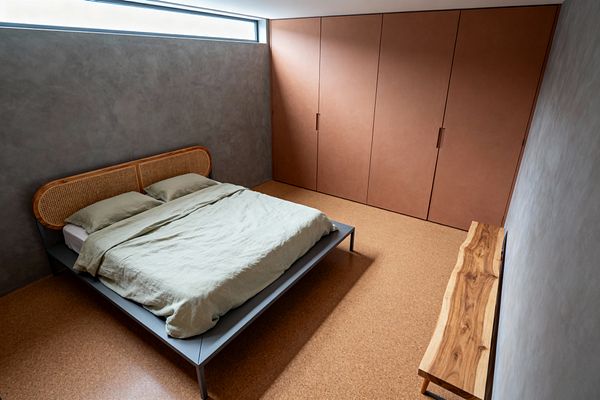
Minimalist Bedroom with Terracotta Wardrobe
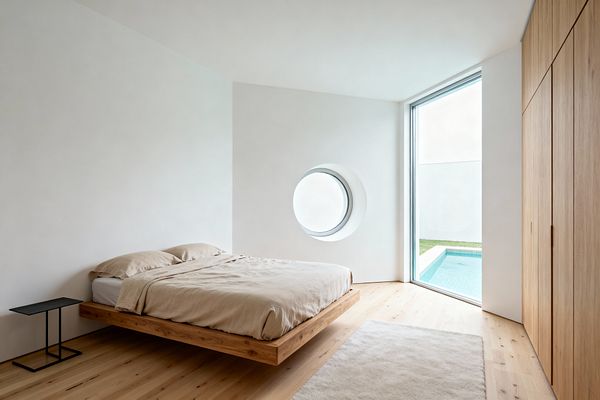
Minimalist Bedroom with Porthole Window and Floating Oak Bed
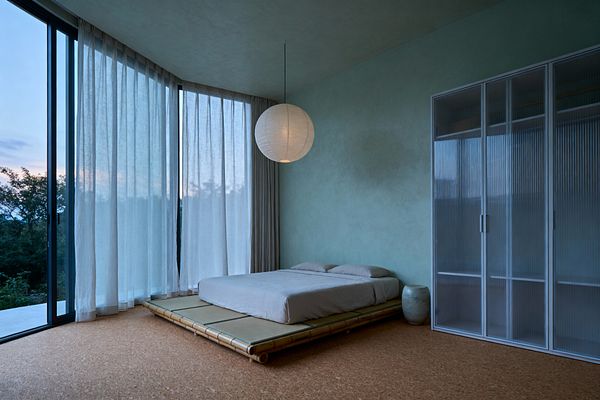
Minimalist Bedroom with Tatami and Seafoam Walls
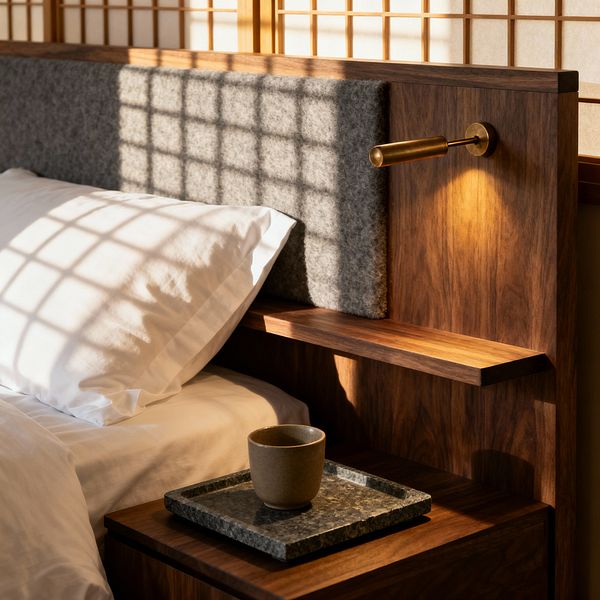
Minimalist Walnut Headboard with Shoji Glow
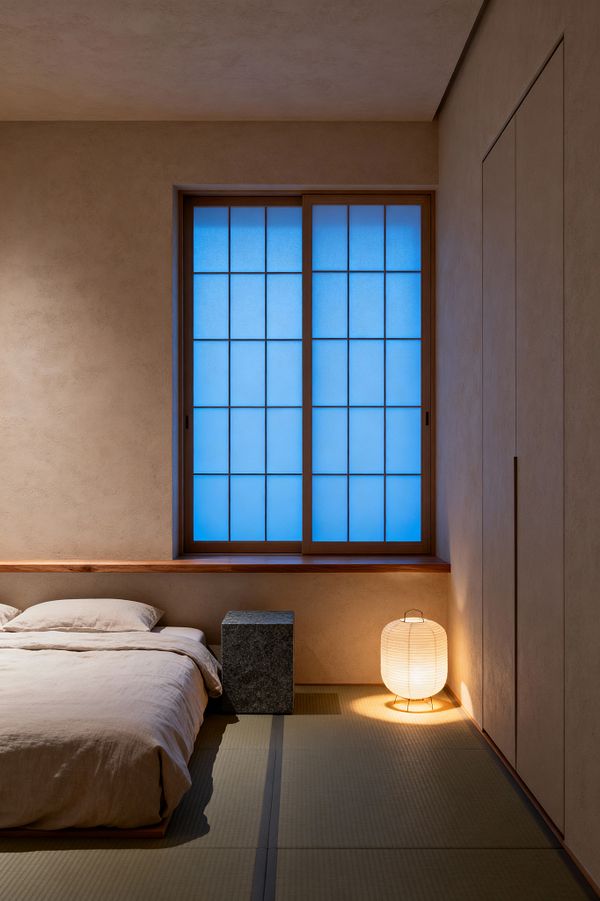
Minimalist Tatami Bedroom with Shoji Lantern Glow
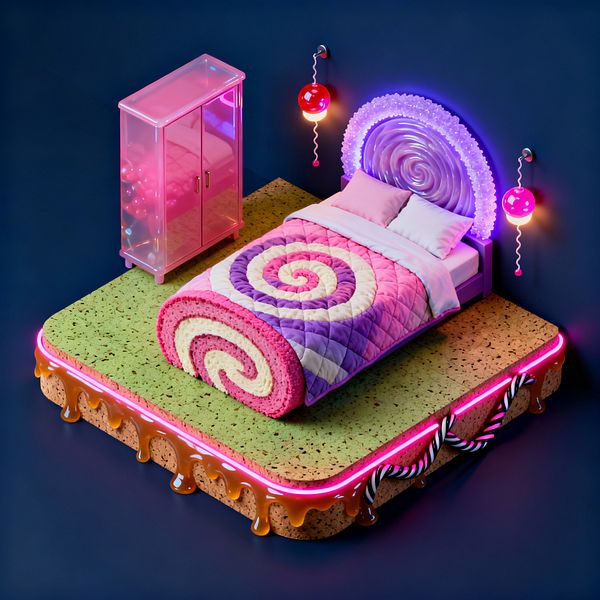
Candy Land Cookie Bed with Neon Lollipops
Design Tips
Start with the feeling you want at bedtime, then build the room in layers. For a calm modern, Japandi, or coastal bedroom, choose a restrained palette, simple silhouettes, natural fiber rugs, and linen or cotton bedding with subtle texture. For a traditional, romantic, or maximalist look, let the bed become the focal point with a shaped headboard, canopy, patterned upholstery, or richly colored bedding, then repeat one or two accent colors in lamps, artwork, rugs, or decorative pillows so the room feels intentional rather than crowded.
Scale is one of the biggest factors in a successful bedroom. Leave comfortable walking space around the bed, choose nightstands that sit close to mattress height, and make sure lamps are tall enough for reading without glaring into your eyes. A large rug should extend beyond the sides and foot of the bed, while a smaller rug can be layered at an angle or placed beside the bed for softness underfoot. In compact rooms, consider wall-mounted sconces, floating nightstands, storage beds, and quieter patterns to keep the layout open.
Use lighting and texture to make the bedroom feel finished. Combine ambient lighting, bedside task lighting, and a softer accent source such as a picture light, pendant, or shaded table lamp. Mix smooth, matte, woven, glossy, and upholstered surfaces: for example, plaster walls with velvet pillows, a carved wood bed with crisp percale sheets, or a sleek platform frame with a chunky wool throw. This balance works across styles and gives the bedroom depth, comfort, and a designed point of view.
Frequently Asked Questions
What is the best way to start designing a bedroom?
Start with the bed, because it is usually the largest piece and the visual anchor of the room. Choose the bed size, headboard style, and main bedding palette first, then select nightstands, lighting, rugs, and window treatments that support the mood and scale.
What colors work best for bedroom design?
Soft neutrals, warm whites, muted greens, dusty blues, clay tones, and gentle grays are popular for relaxing bedrooms. If you love bold color, use deep shades such as cobalt, burgundy, emerald, or charcoal on one major element, then balance them with lighter bedding, warm wood, or metallic accents.
How can I make my bedroom look more luxurious?
A bedroom feels luxurious when the materials, lighting, and proportions are carefully layered. Use quality bedding, a substantial headboard, tailored window treatments, dimmable lamps, and a rug large enough to ground the bed; even simple rooms feel elevated when these elements fit well.
What are good bedroom ideas for small rooms?
For small bedrooms, prioritize pieces that do more than one job, such as storage beds, narrow nightstands with drawers, wall sconces, and benches with hidden storage. Keep the palette cohesive, use mirrors or reflective finishes strategically, and avoid undersized rugs, which can make the room feel chopped up.
How do I mix patterns in a bedroom without making it feel busy?
Mixing patterns works best when the patterns vary in scale and share at least one color. Pair a large floral or mural with smaller stripes, ikat, checks, or geometrics, and use solid bedding or plain curtains to give the eye a place to rest.
What lighting does a bedroom need?
A bedroom should have ambient light for the whole room, task light for reading, and softer accent light for atmosphere. Bedside lamps, wall sconces, pendants, shaded table lamps, and dimmers help create a flexible room that works for getting dressed, winding down, and relaxing.